
Why prune fruit trees?
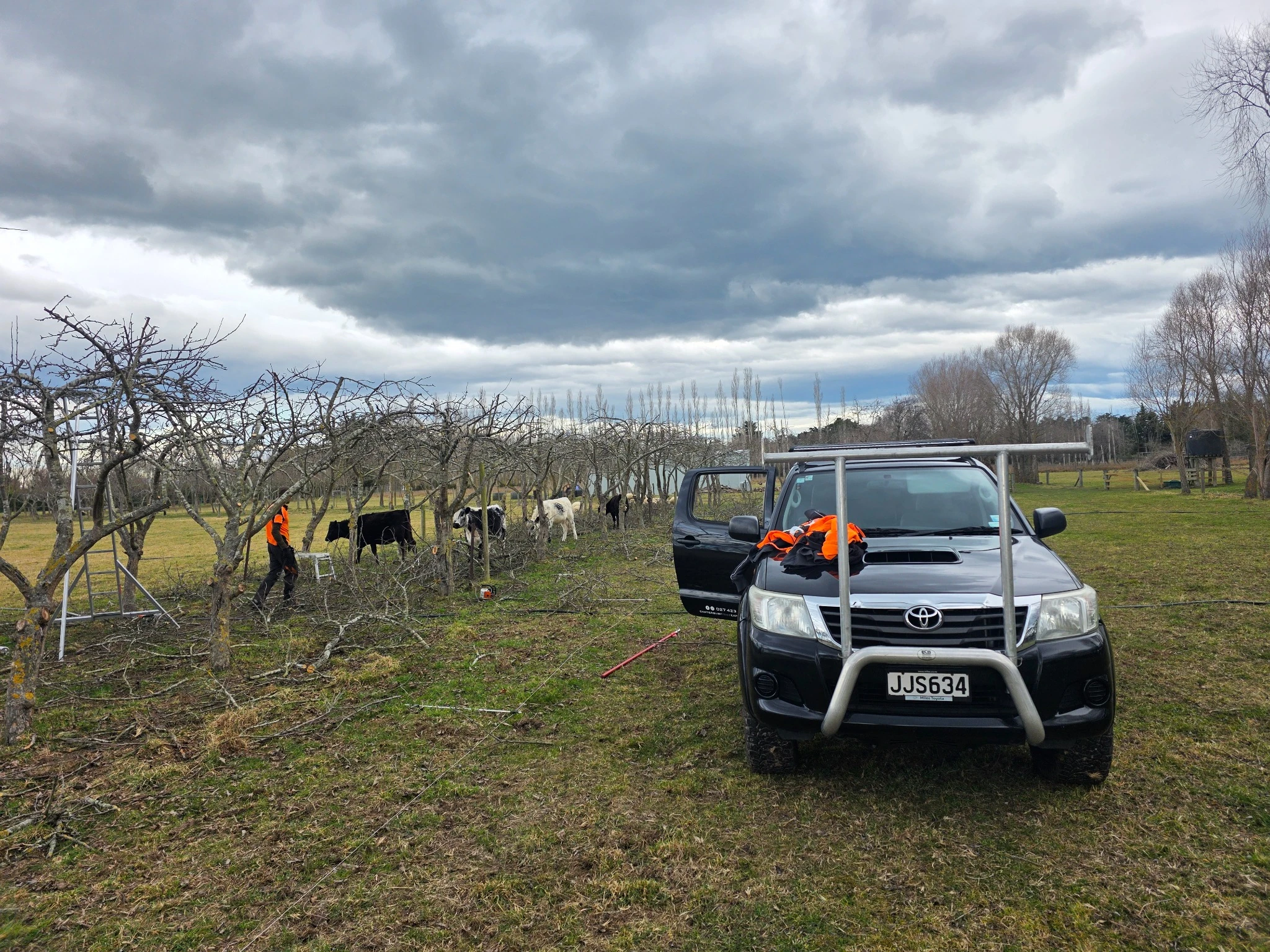
Fruit tree pruning helps keep trees manageable, lets light into crowded branches and makes harvesting easier. But timing matters: apples and pears are commonly pruned in winter, while established stone fruit are generally better pruned in dry summer weather after harvest.
Selective pruning removes dead, damaged and rubbing branches, improves airflow and lets sunlight reach fruit and developing buds. It also helps shape young trees and keeps older trees within a practical picking height.
More pruning does not necessarily mean more fruit. Cutting too hard can remove productive wood and encourage vigorous shoots instead. The aim is to retain useful fruiting growth while keeping the tree’s size and structure under control.
When should different fruit trees be pruned?
This is a general guide to pruning fruit trees in Christchurch and Canterbury. Variety, training style, harvest time and local weather can change the best approach. If a branch is overextended or bending under a heavy crop, it may need attention before the usual pruning season. Selective pruning, thinning the fruit or suitable support can reduce the load and help retain the branch before it snaps.
| Fruit tree | General pruning timing |
|---|---|
| Apples and pears | Winter, while dormant. Selective summer pruning can also help manage growth. |
| Peaches and nectarines | Dry summer weather after harvest, retaining suitable growth for future crops. |
| Plums and apricots | Summer after harvest where possible. Avoid routine winter pruning. |
| Cherries | Light pruning in summer after fruiting, when needed. |
| Feijoas | After harvest in mild areas; in frost-prone Canterbury gardens, wait until frost risk has passed. |
| Citrus | After the main harvest, once frost risk has passed. Usually only light pruning is needed. |
Why avoid pruning stone fruit in winter?
Plums, cherries, peaches, nectarines and apricots are susceptible to diseases that can enter through pruning wounds, including silver leaf and bacterial canker. Damp autumn and winter conditions favour silver leaf spore release.
For established trees, plan routine pruning for a settled spell of dry summer weather, usually after picking. The harvest date varies between varieties, so there is no single month that suits every tree.
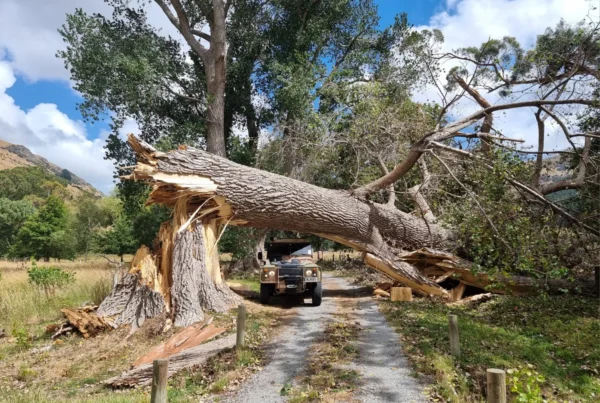
Broken or potentially unsafe branches need assessment when they occur—do not leave a hazardous branch simply to wait for the usual pruning season.

Feijoa pruning:
Feijoas often need only a light prune and may not need work every year. Remove crowded or rubbing branches and selectively reduce height where fruit is becoming difficult to reach.
In colder parts of Canterbury, avoid a heavy prune straight after the autumn harvest. Waiting until frost risk has passed helps protect tender regrowth.
A feijoa grown for fruit needs a different approach from one trimmed regularly as a dense hedge. Heavy trimming can reduce flowering and the next crop, so retain enough growth for fruiting.
How Canterbury Tree Experts can help
We provide fruit tree pruning across Christchurch, North Canterbury and the wider Canterbury region, from individual backyard trees to home orchards.
We can improve overcrowded or overgrown trees, recommend when to prune, reduce height, thin crowded branches and remove all the debris we make leaving your yard tidy.
Find out more about our fruit tree pruning services, You can call us on 027 423 1538 or email at Ben@CanterburyTreeExperts.co.nz. Send a few photos, your location and the types of fruit trees you have, if known.